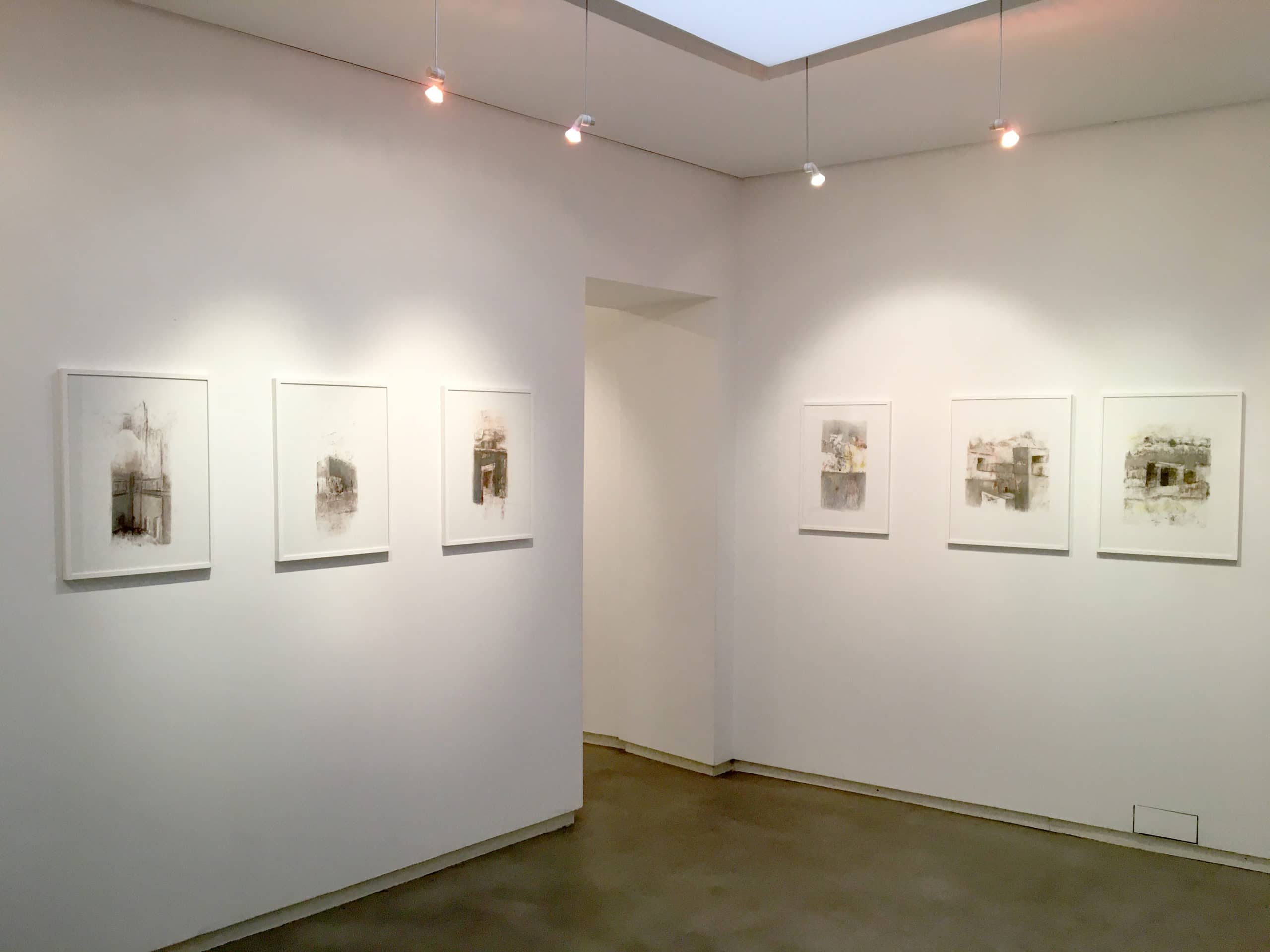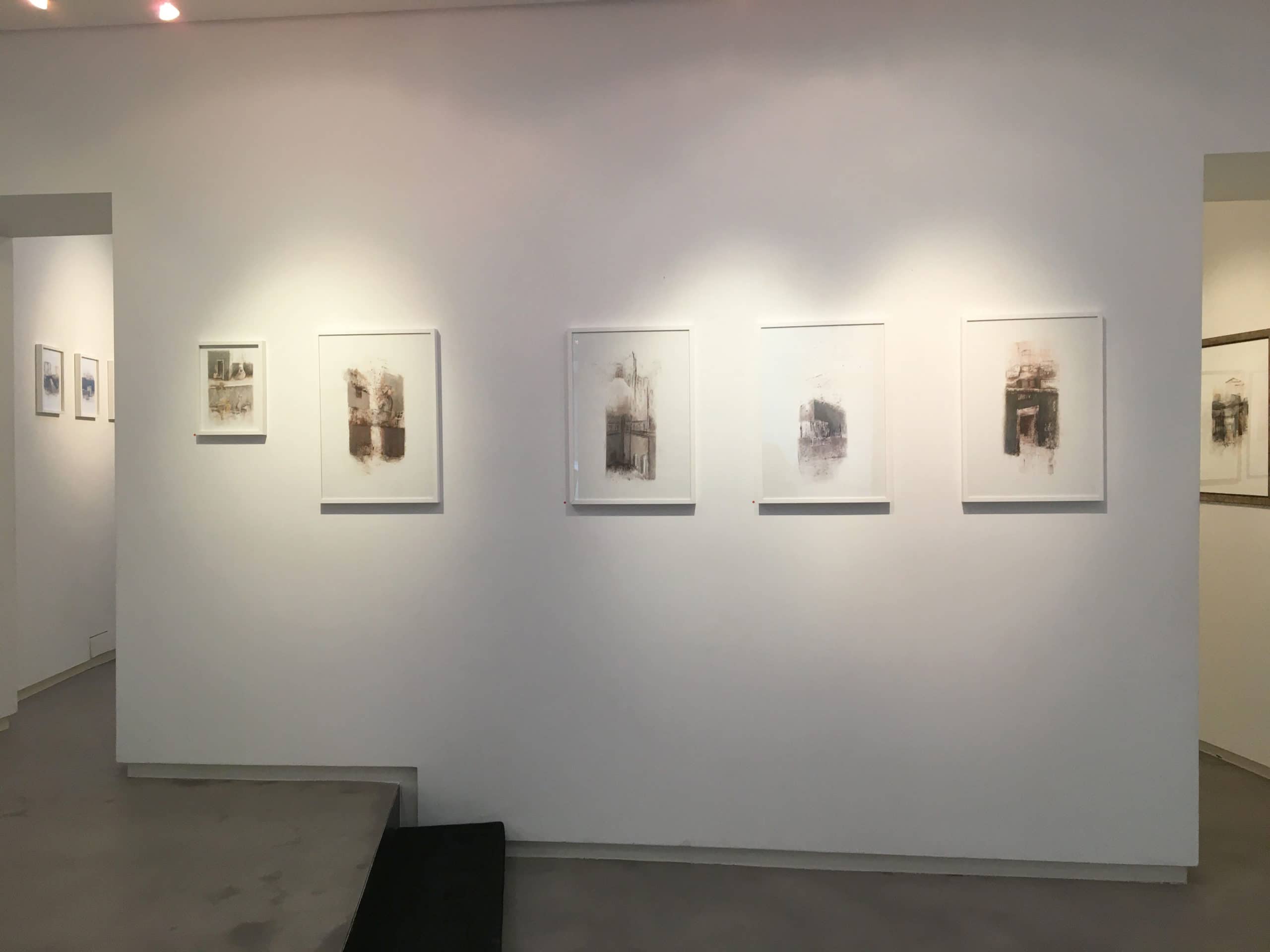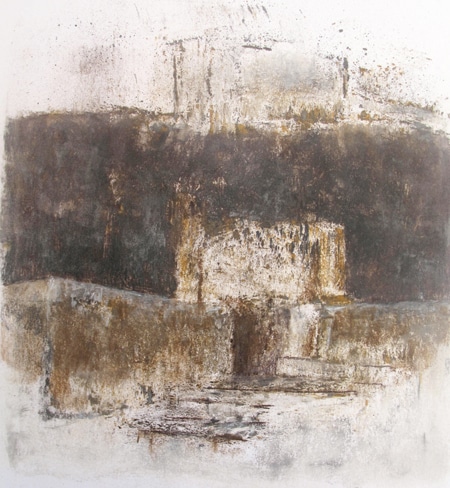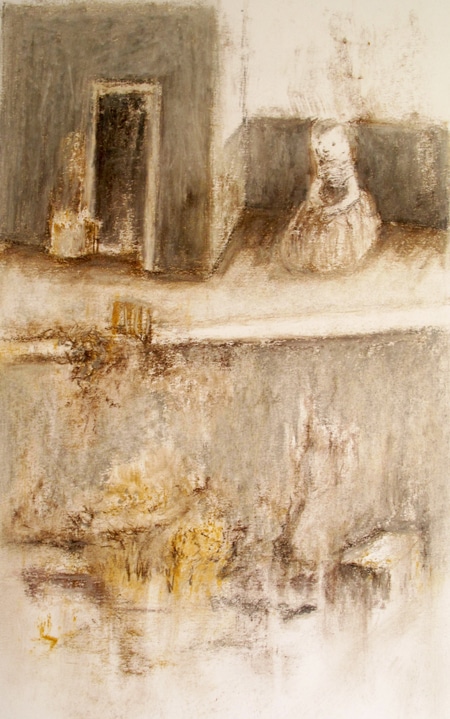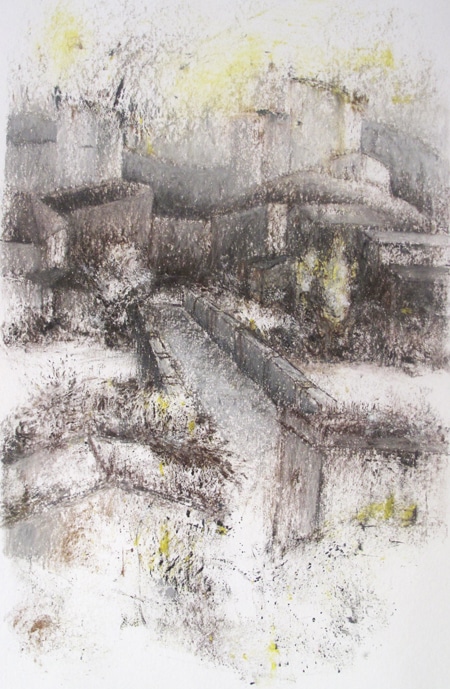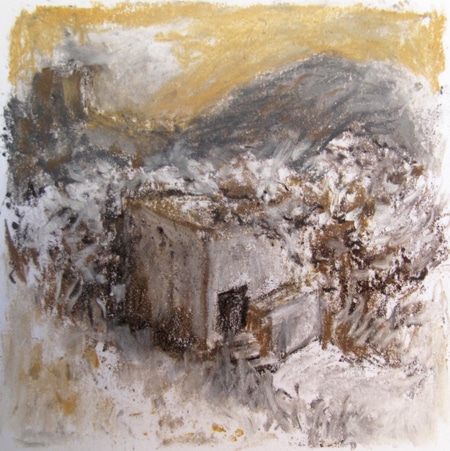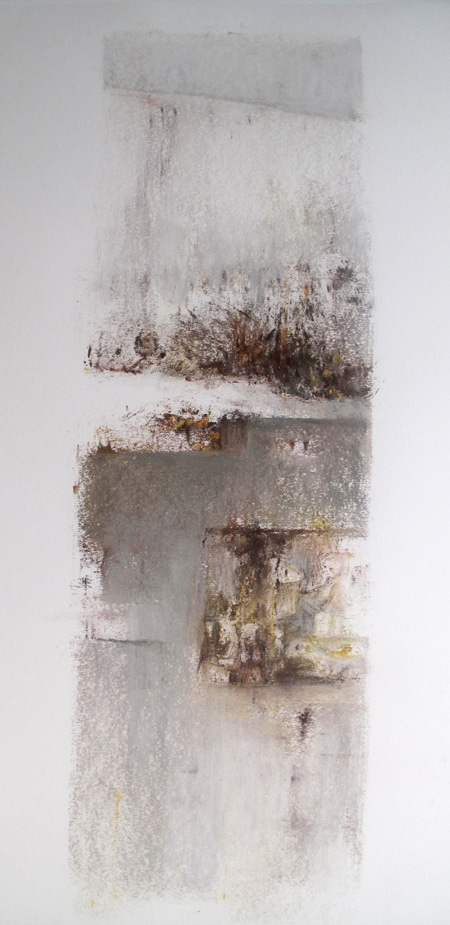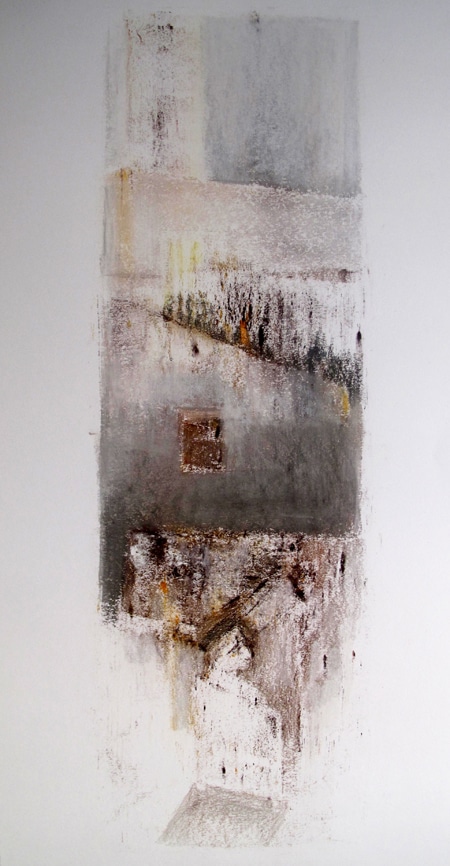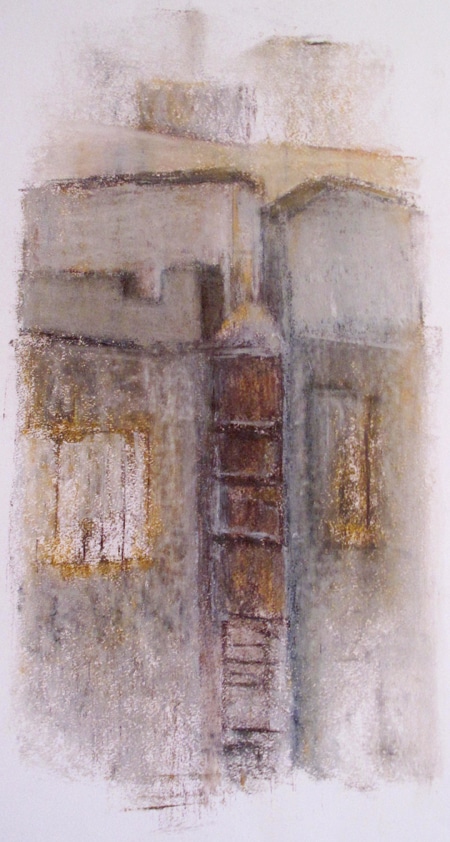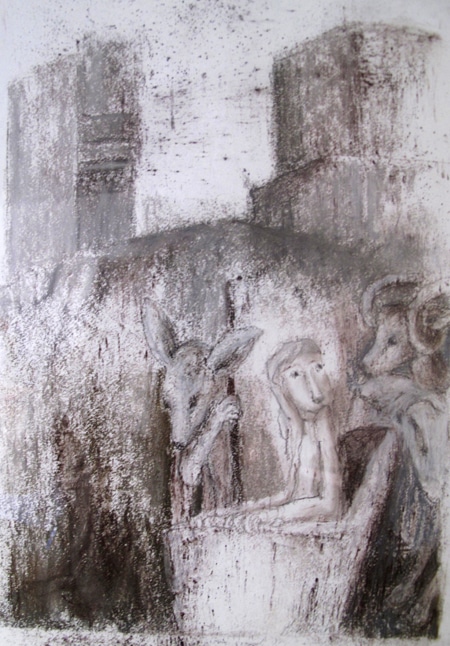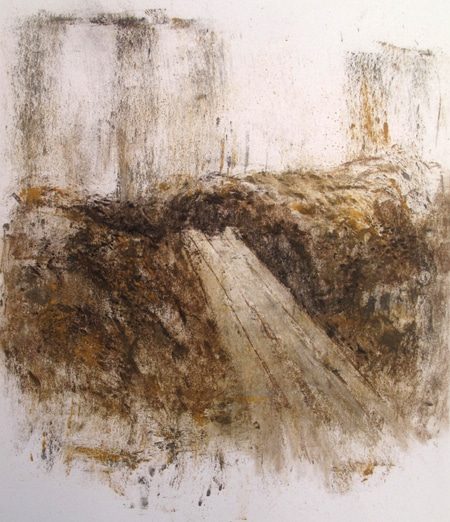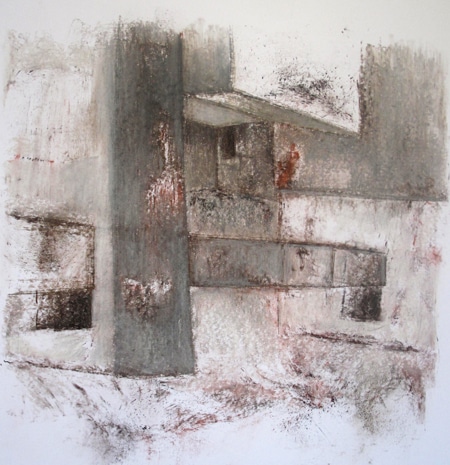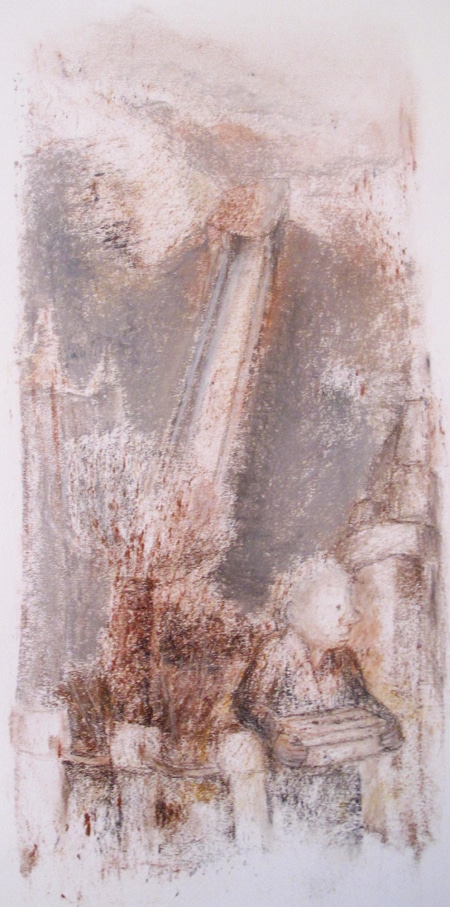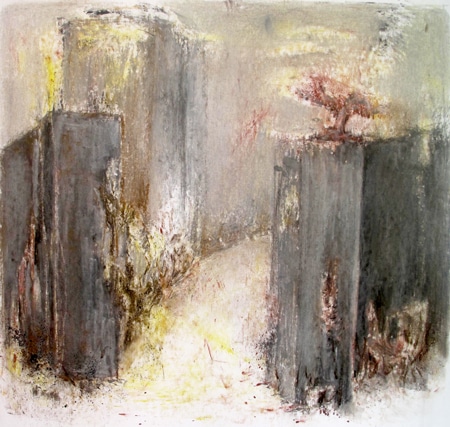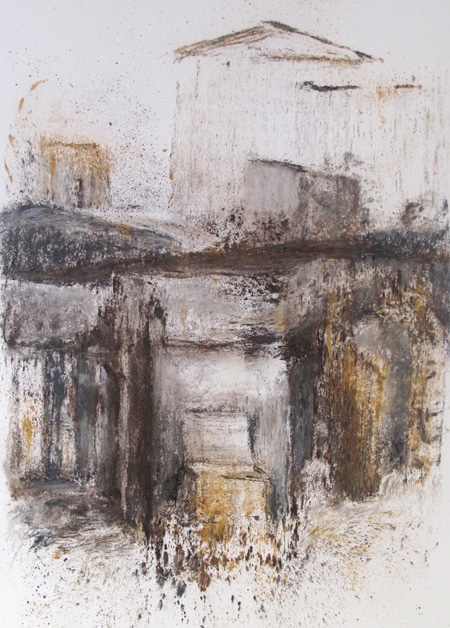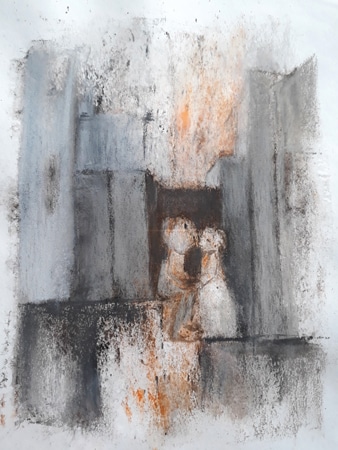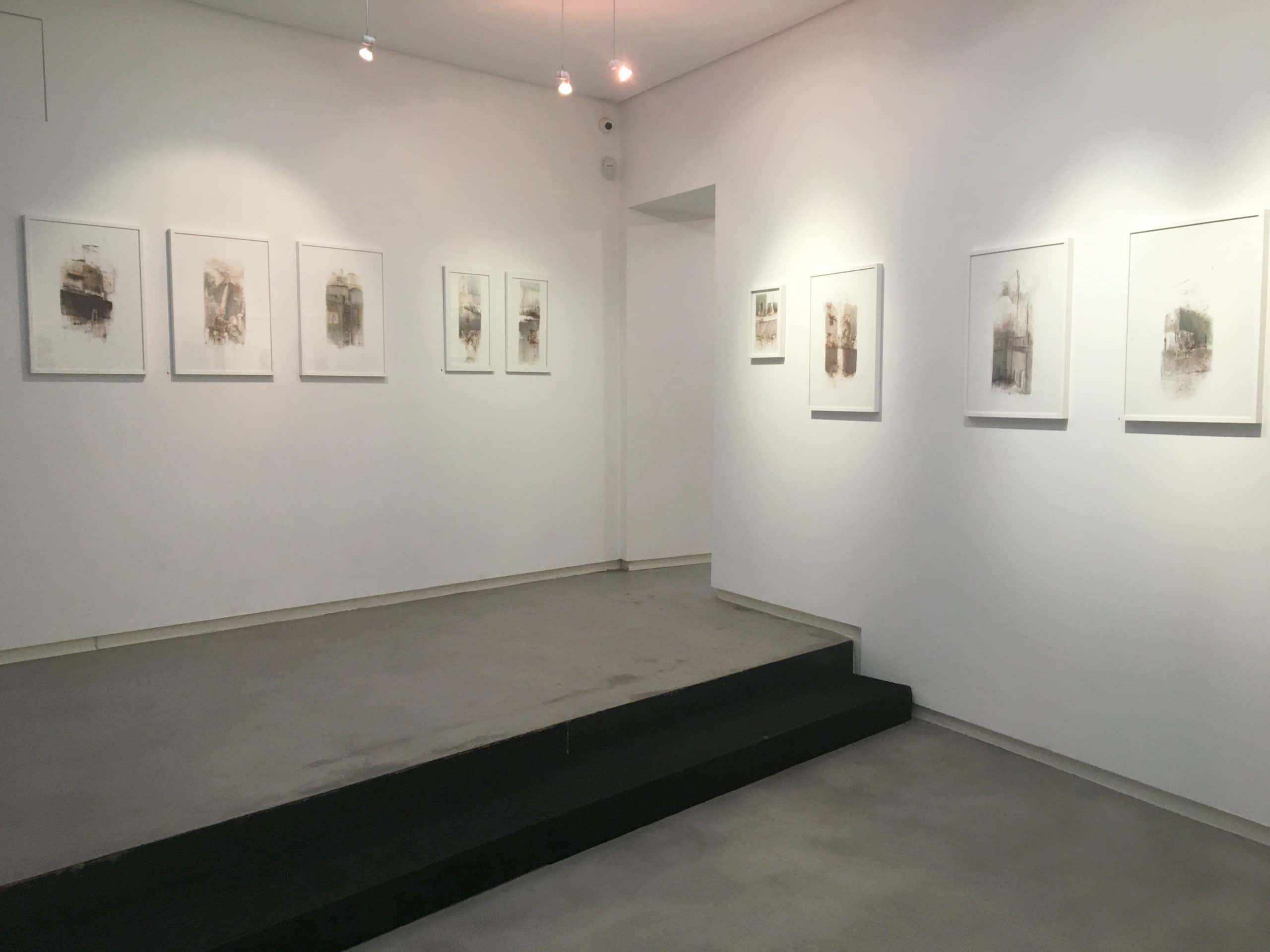
From the top of the tower, Marta Ubach tells us the stories of Matilde, Mr. José, Clarice, and Maria, who, through the streets and alleyways, castles and houses of what could be another Babylon, live and shape their daily lives. “Da torre” brings us the silence of the landscape, the contemplation of places—of all and of none—in what is only apparently a contradiction. It also brings us that sense of belonging to our heritage which, as Alexandre Herculano wrote in his “O Pároco da Aldeia”:
“And yet the soul, which in such a state seems to lose the sense of external life, there found, in its unceasing reflection, an invisible bridge to cross the abysses that cold, flawed, and proud human reason supposes to exist, almost at every step, in the world of the intellect.”