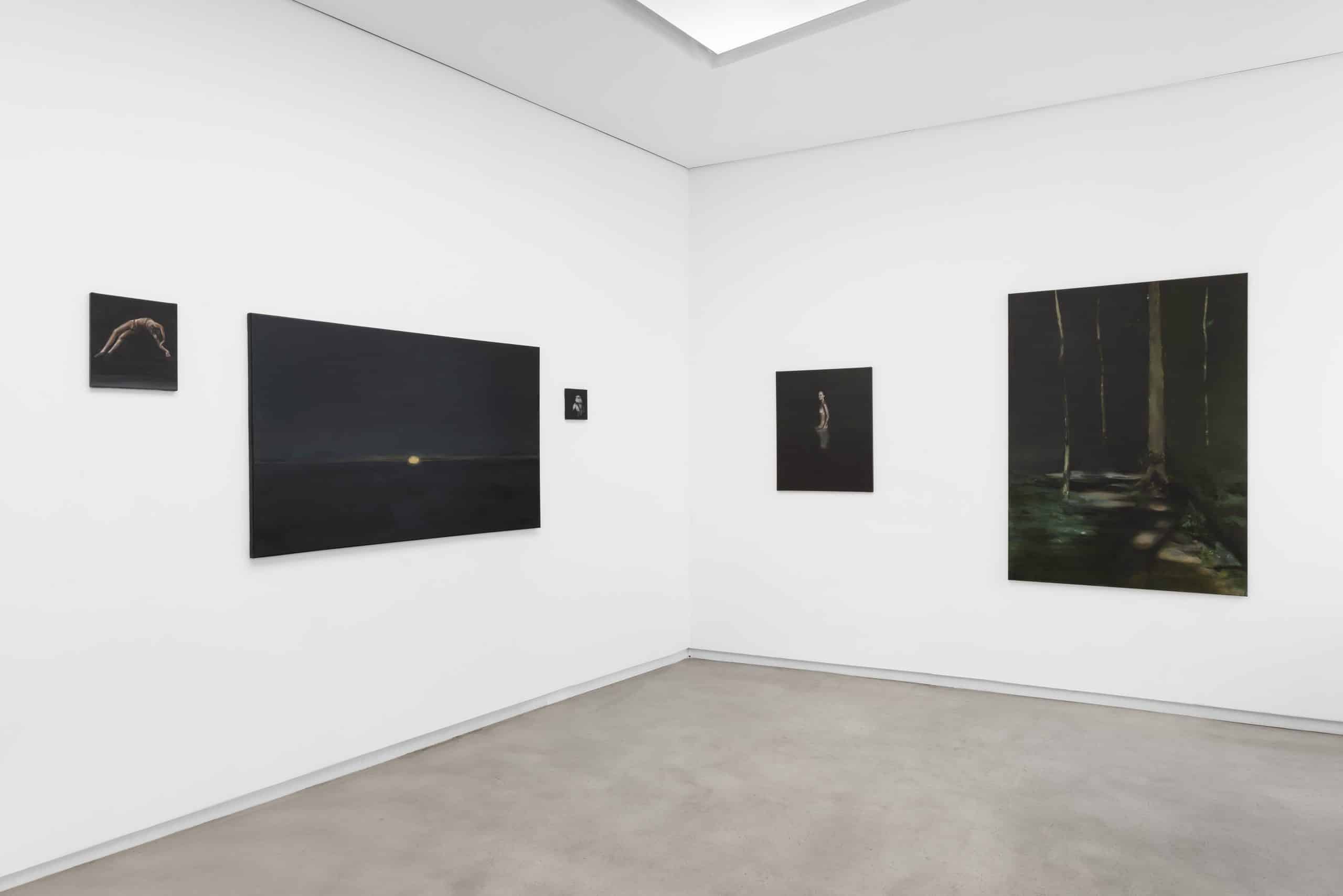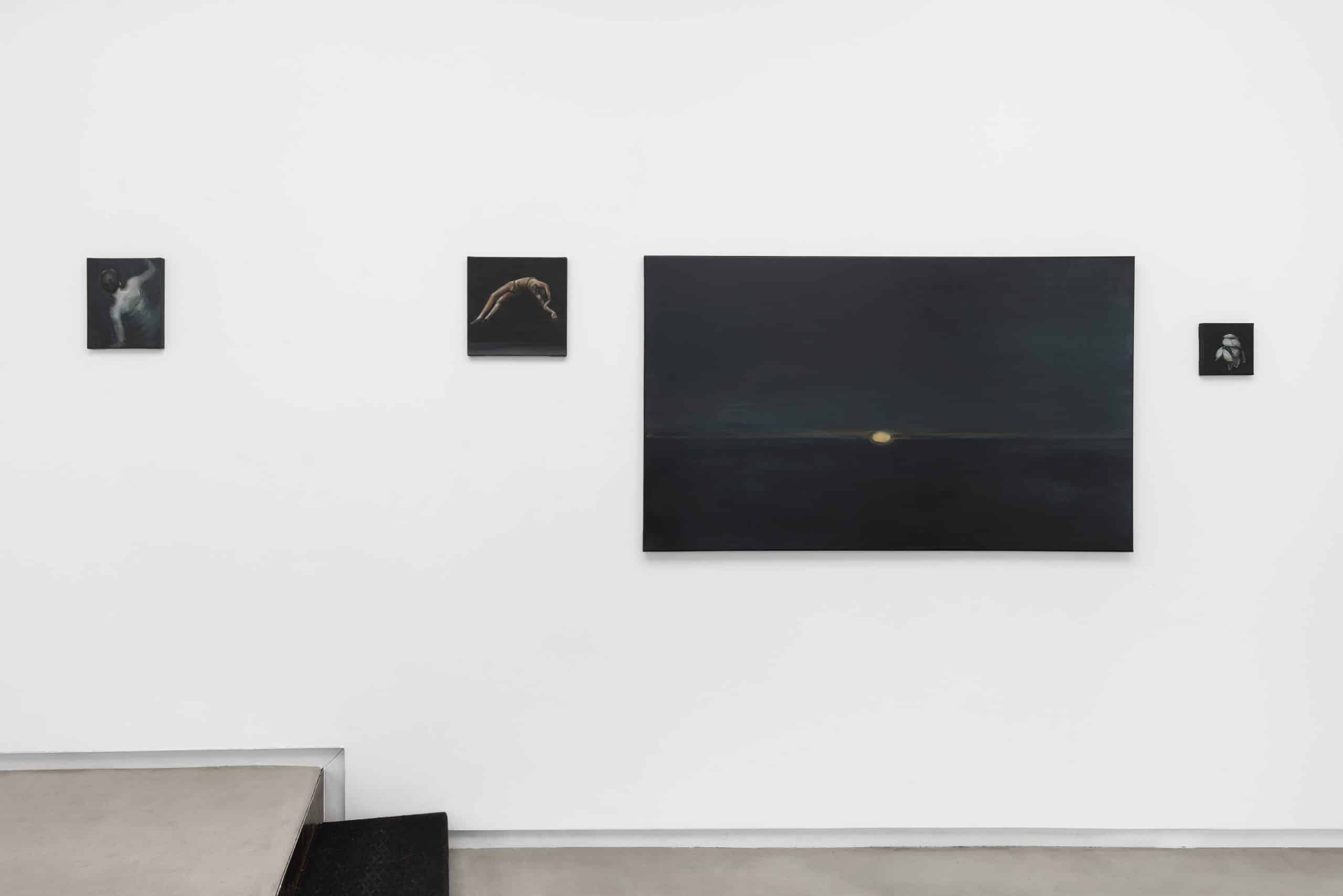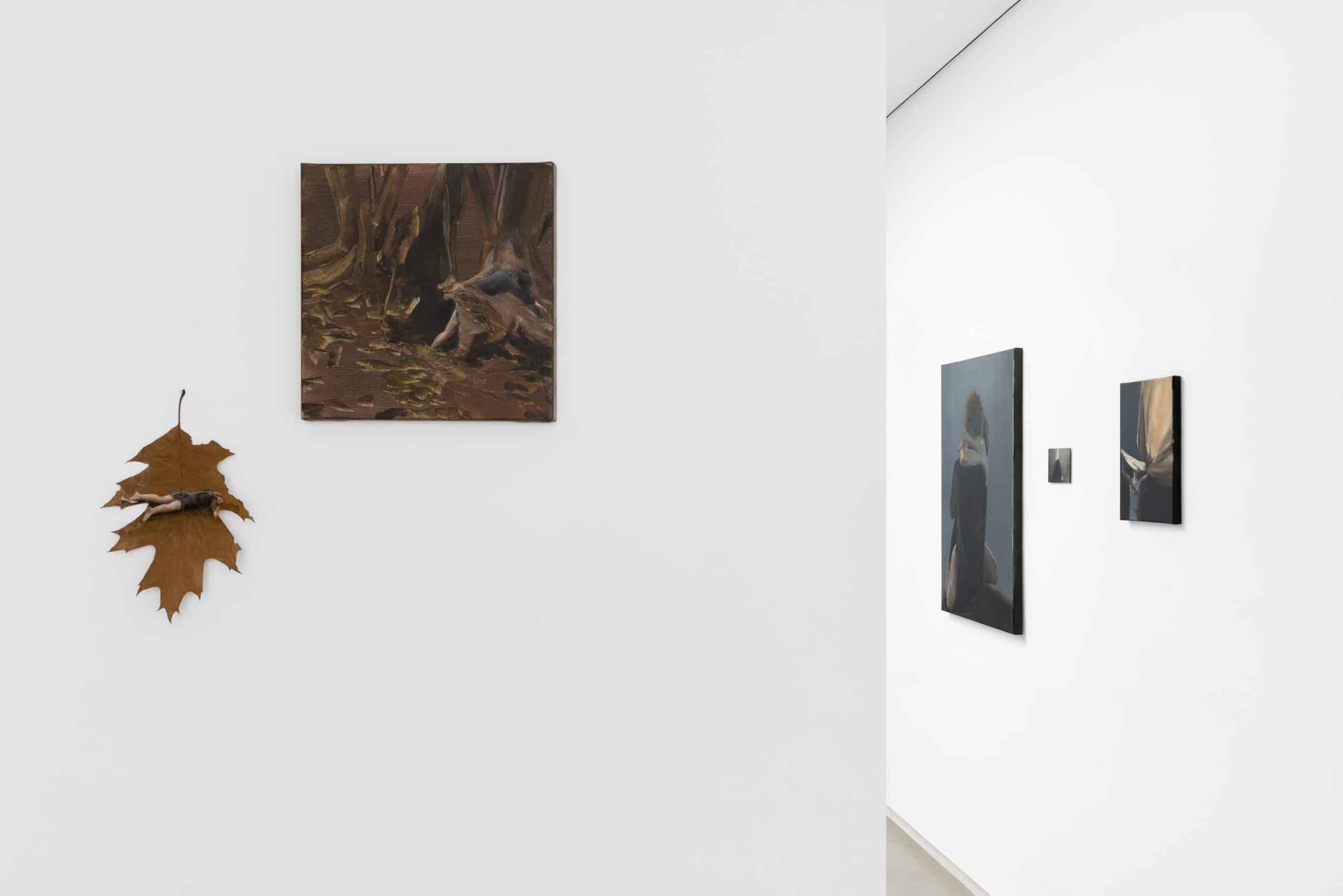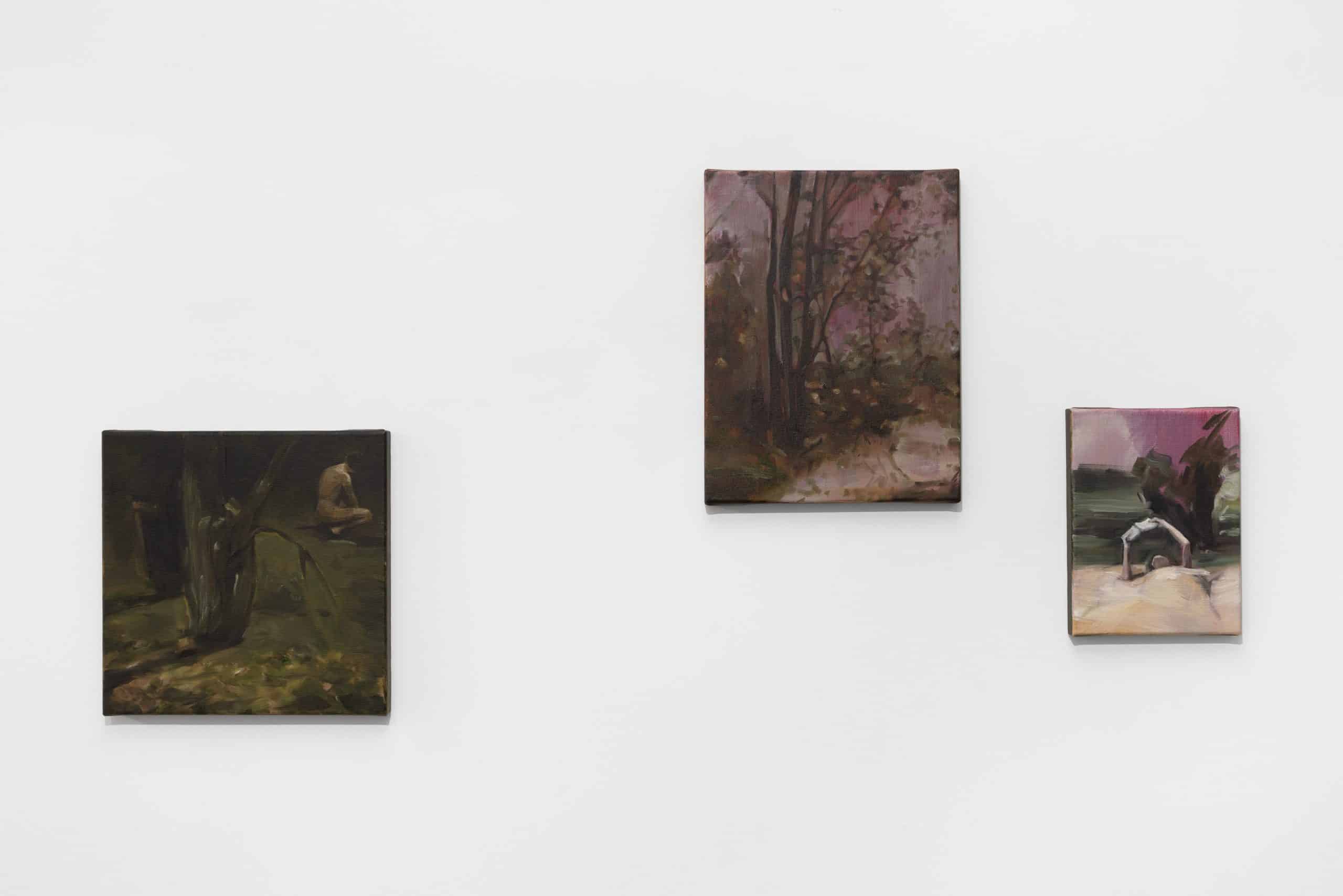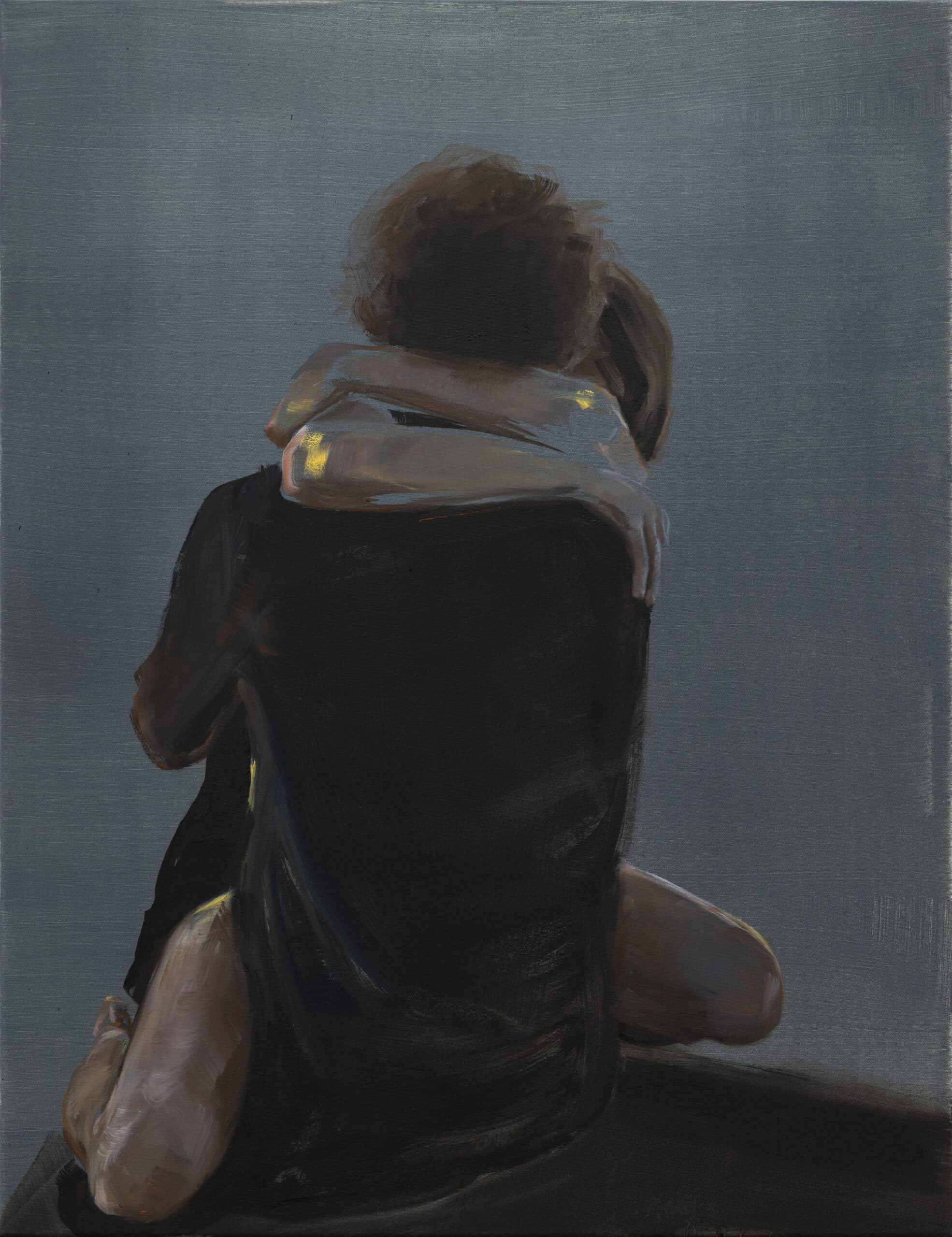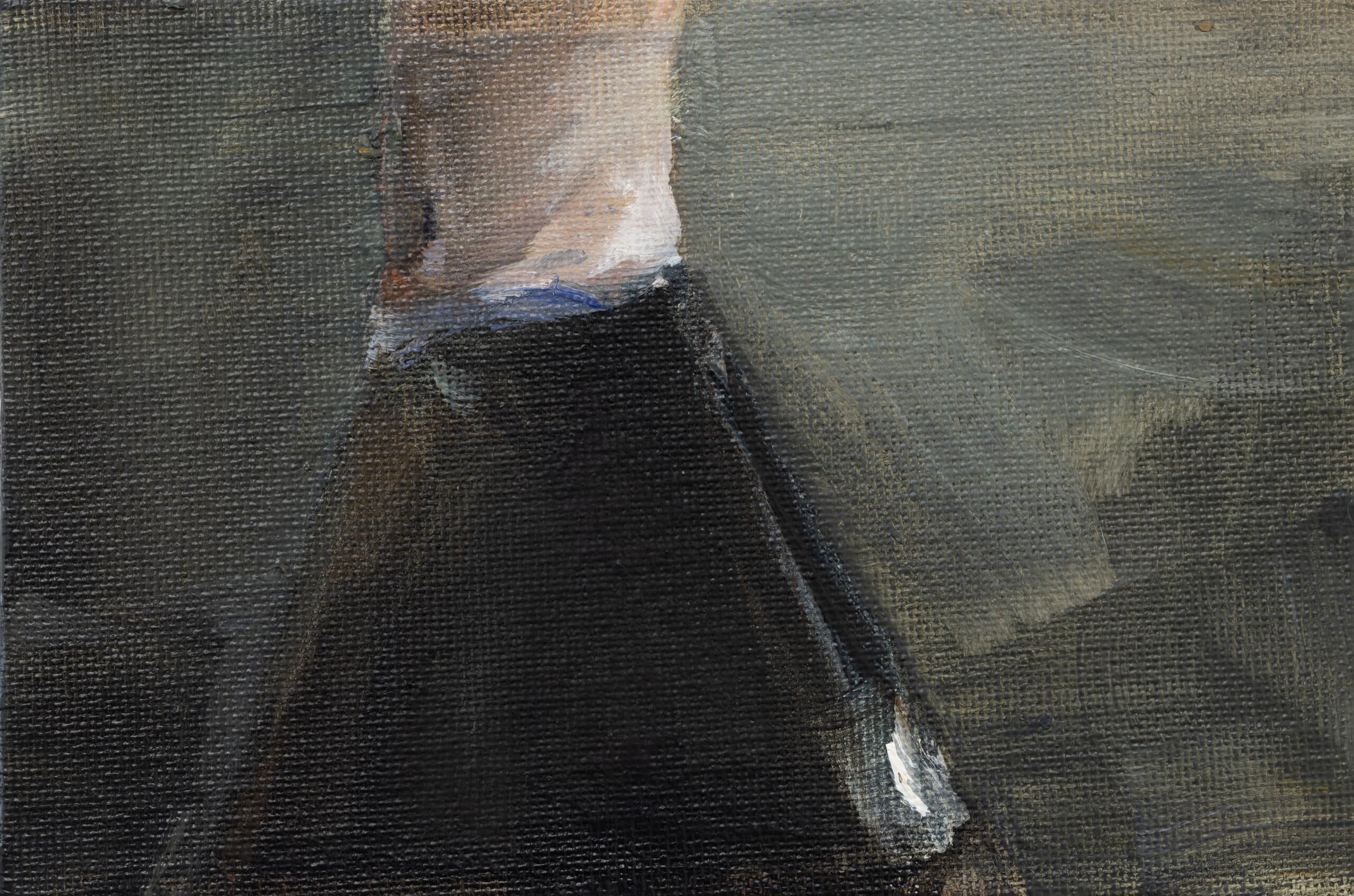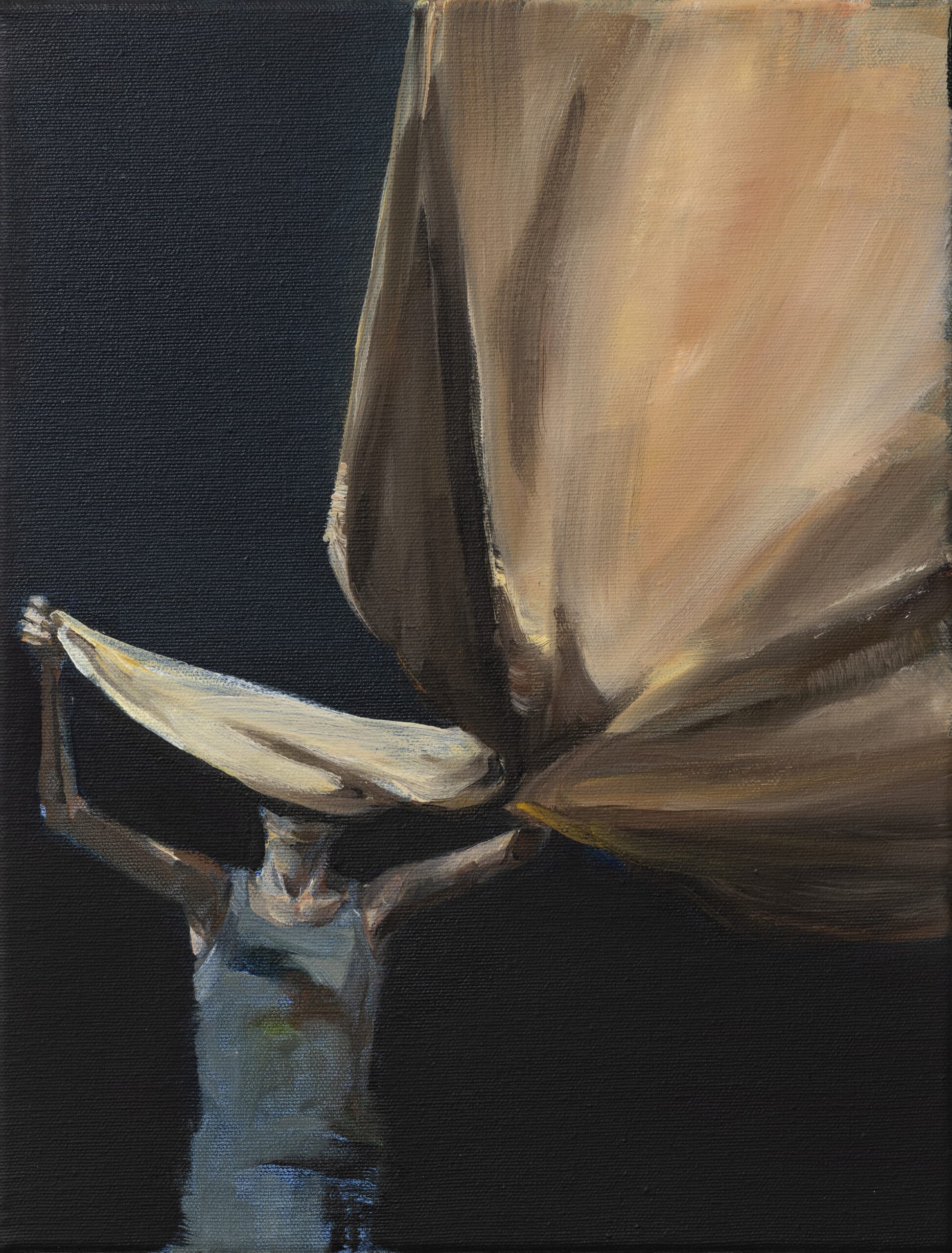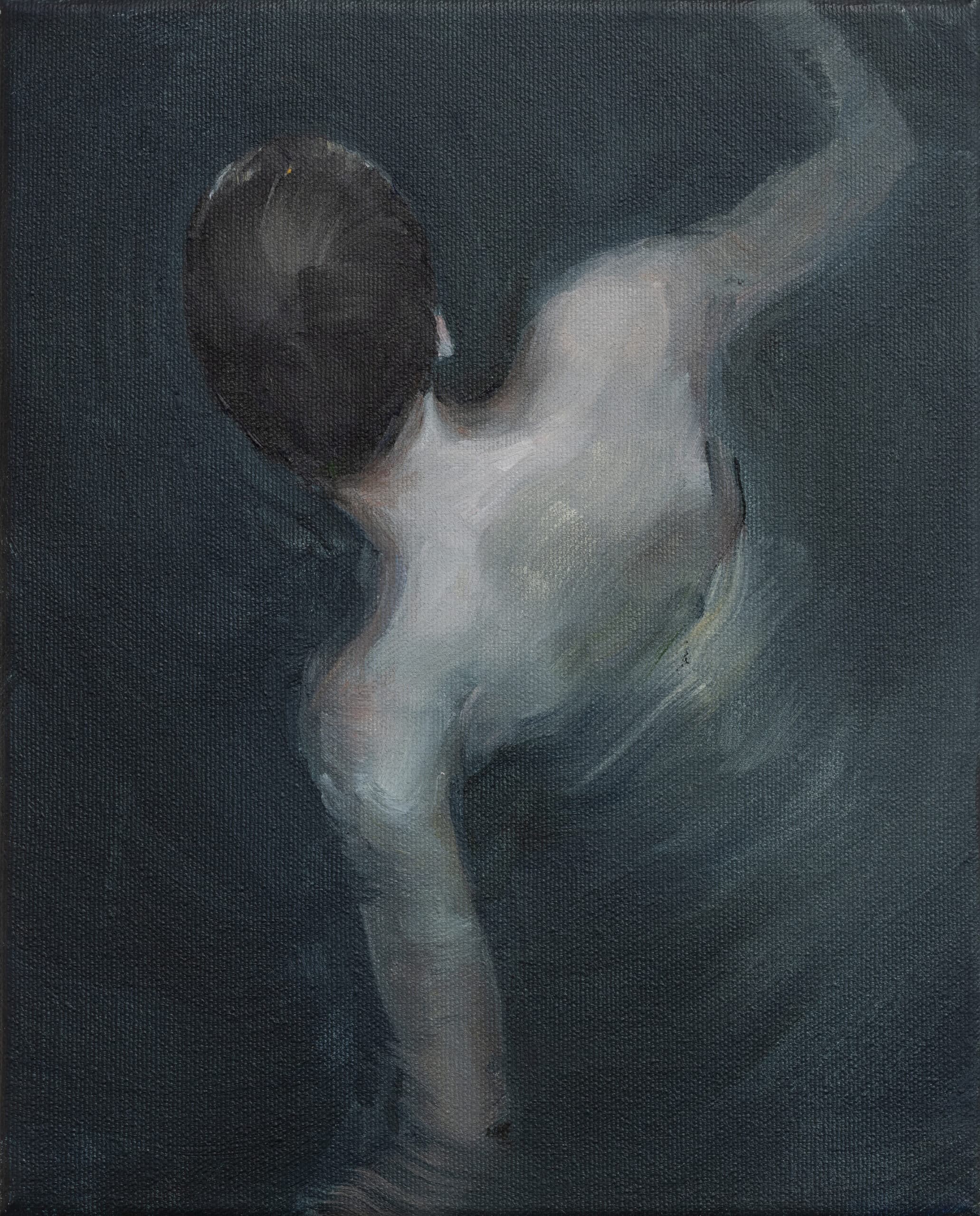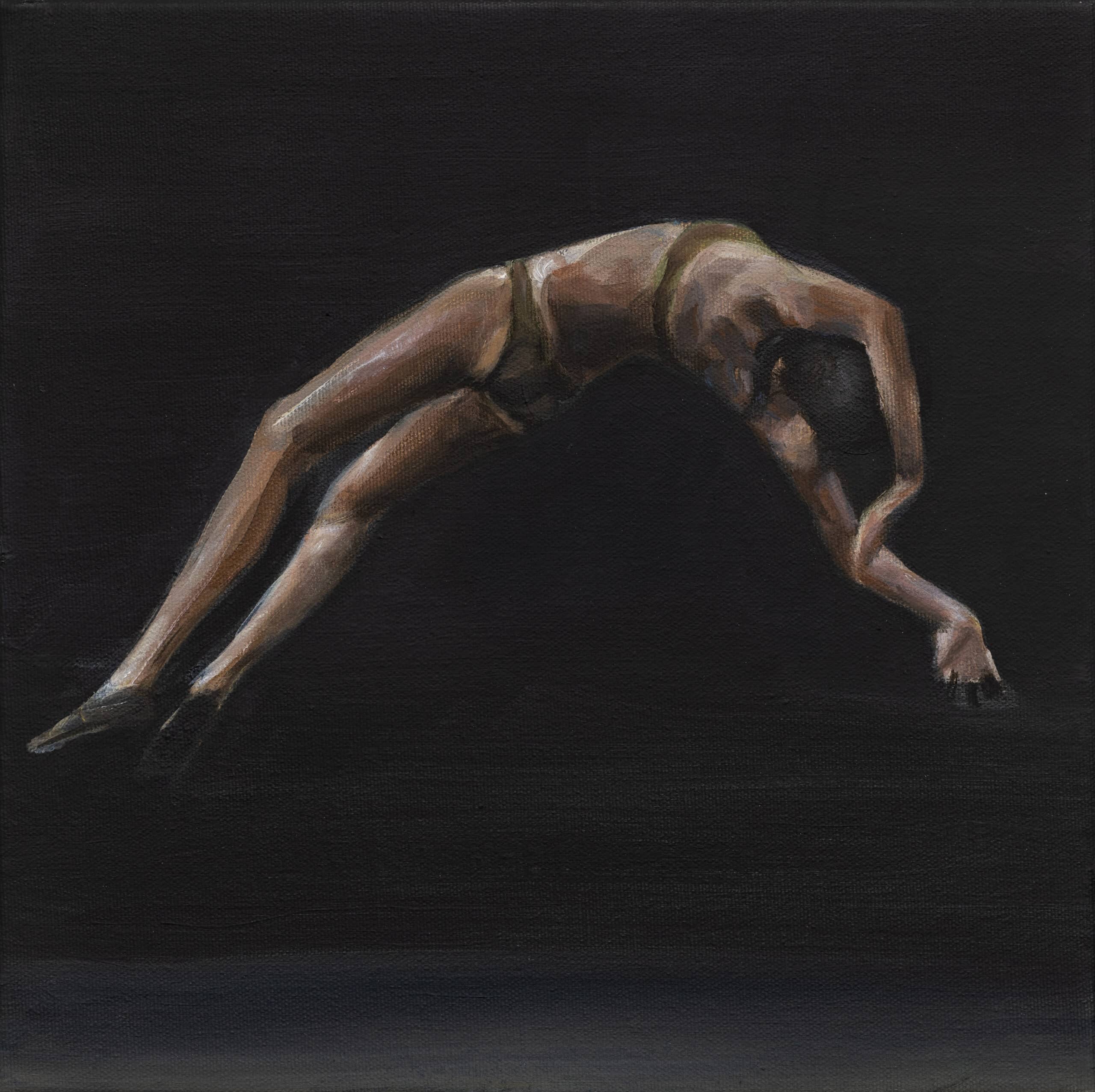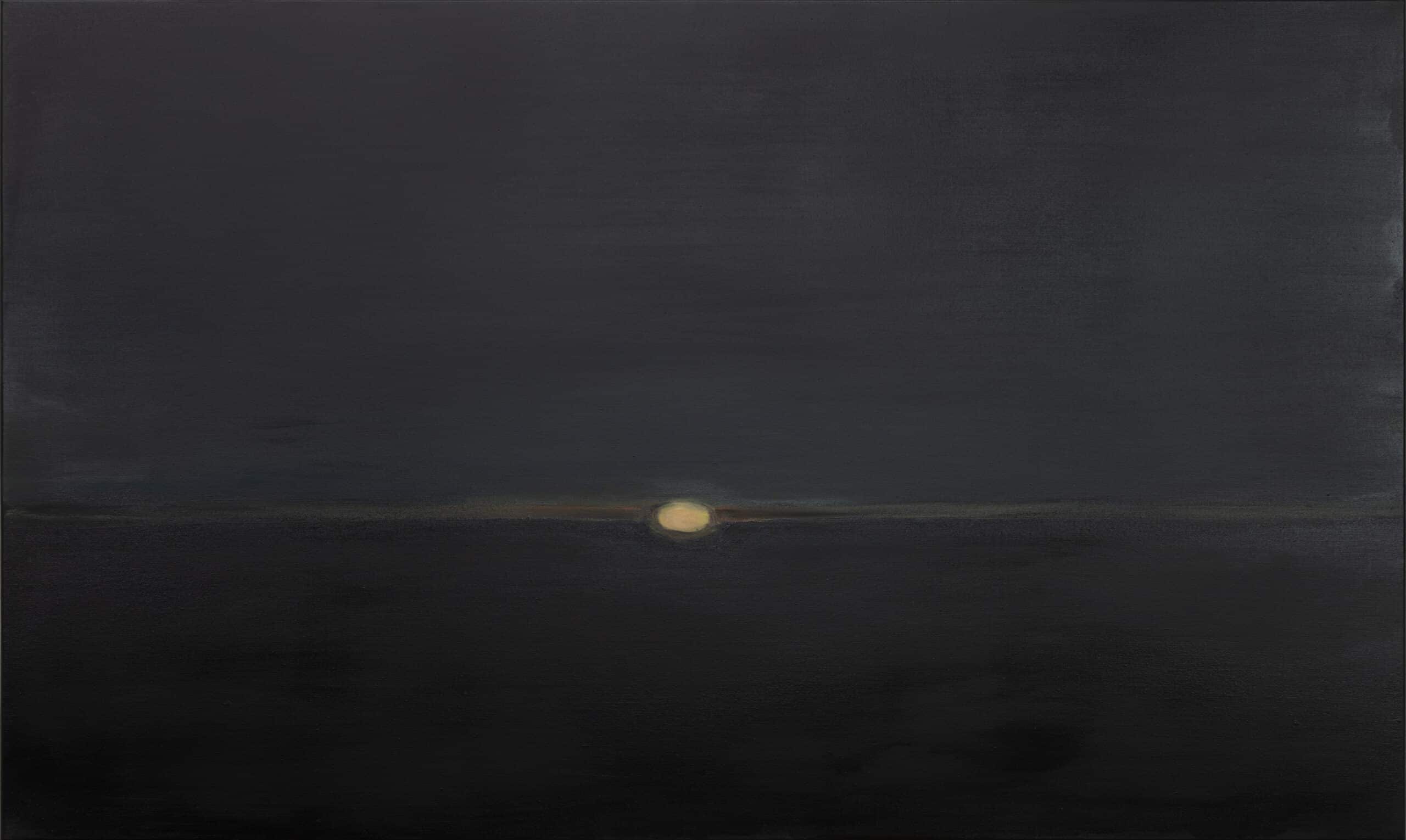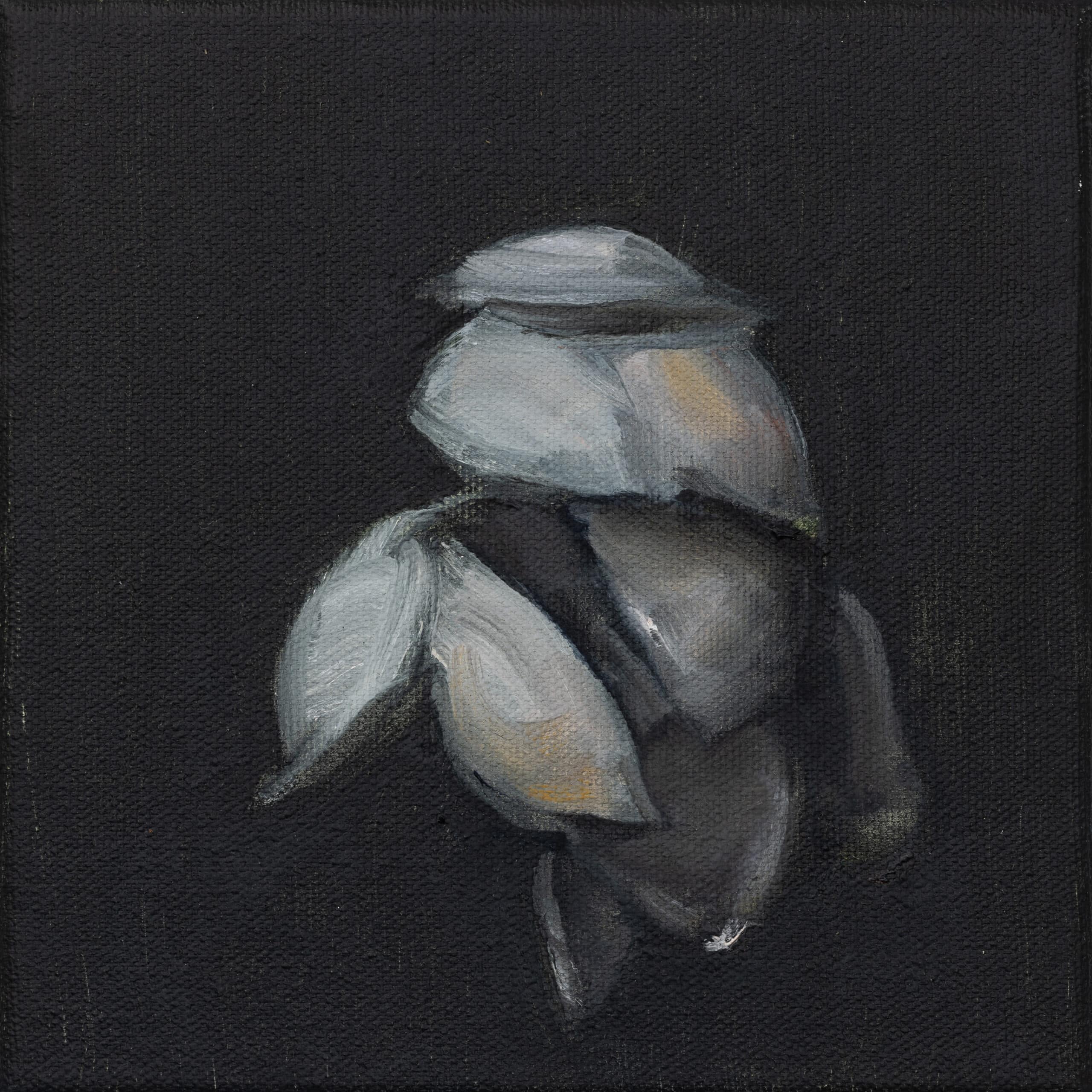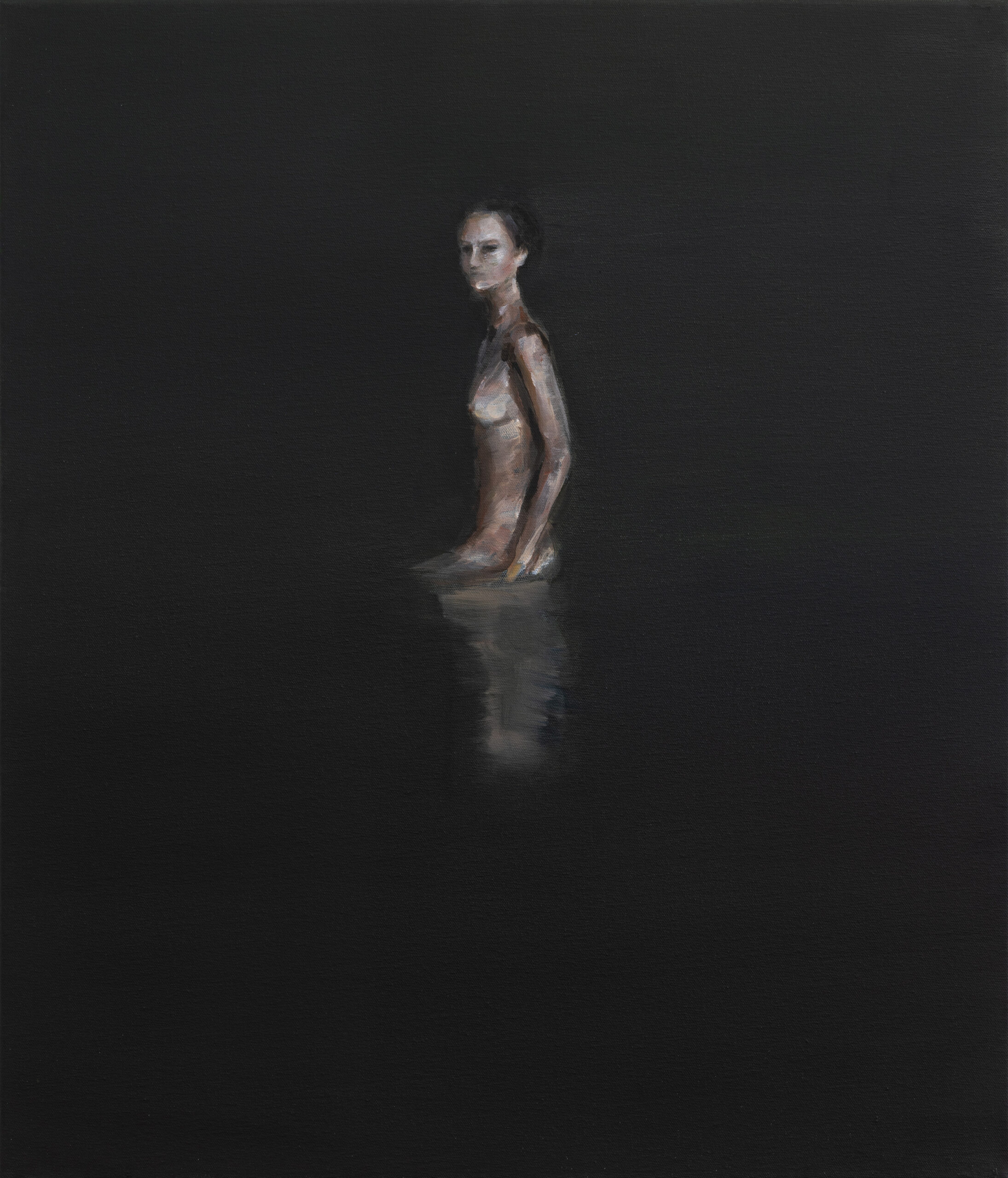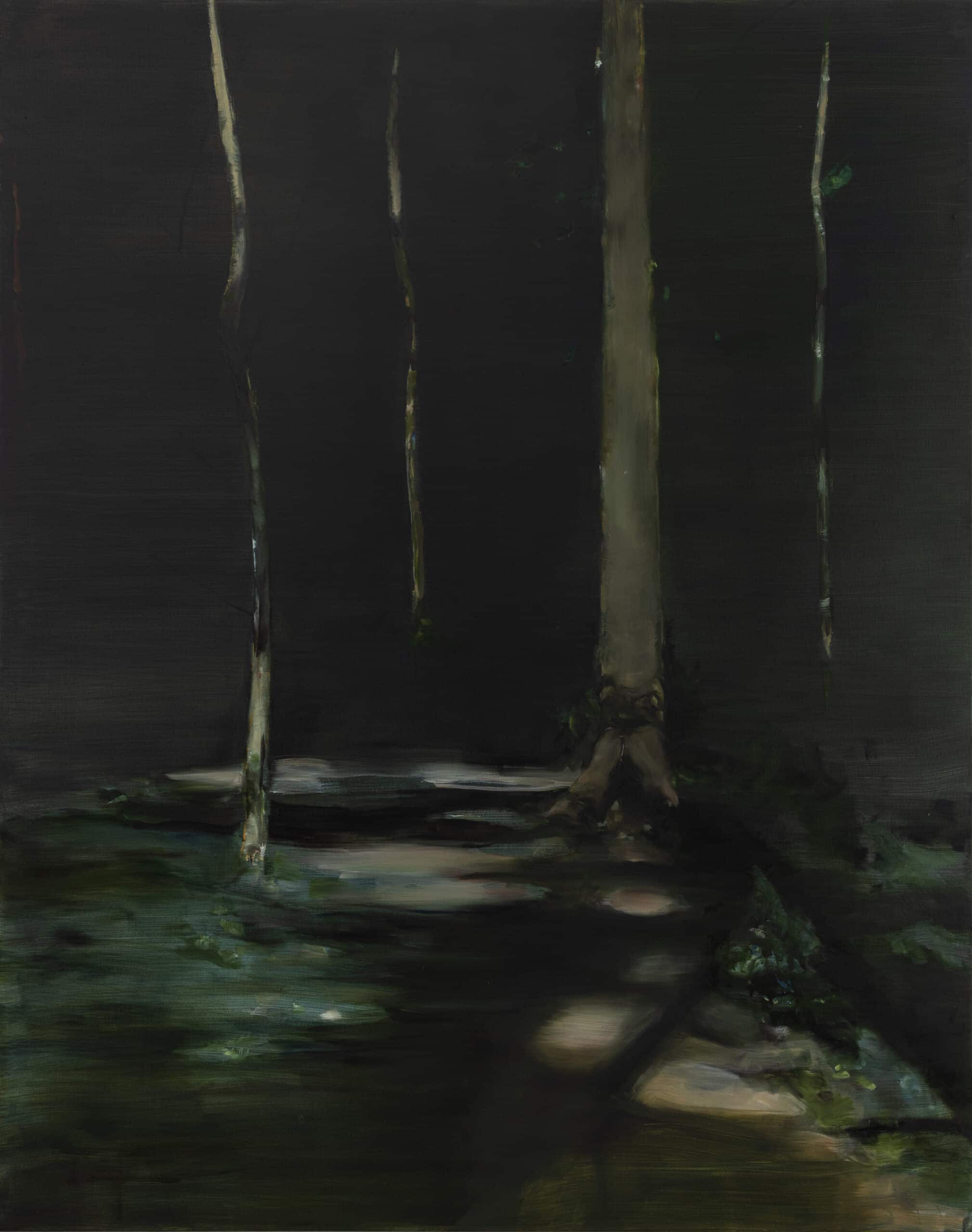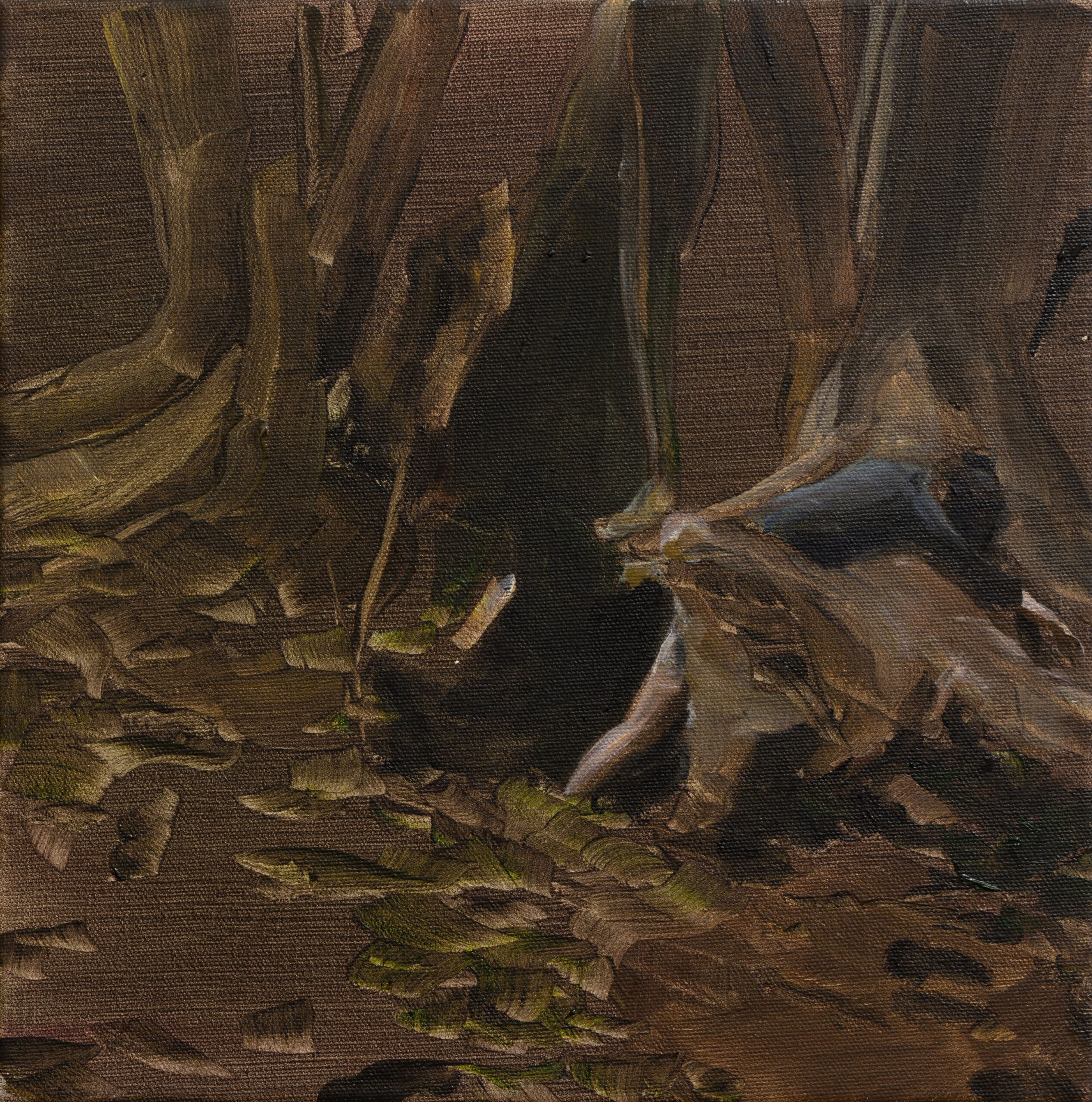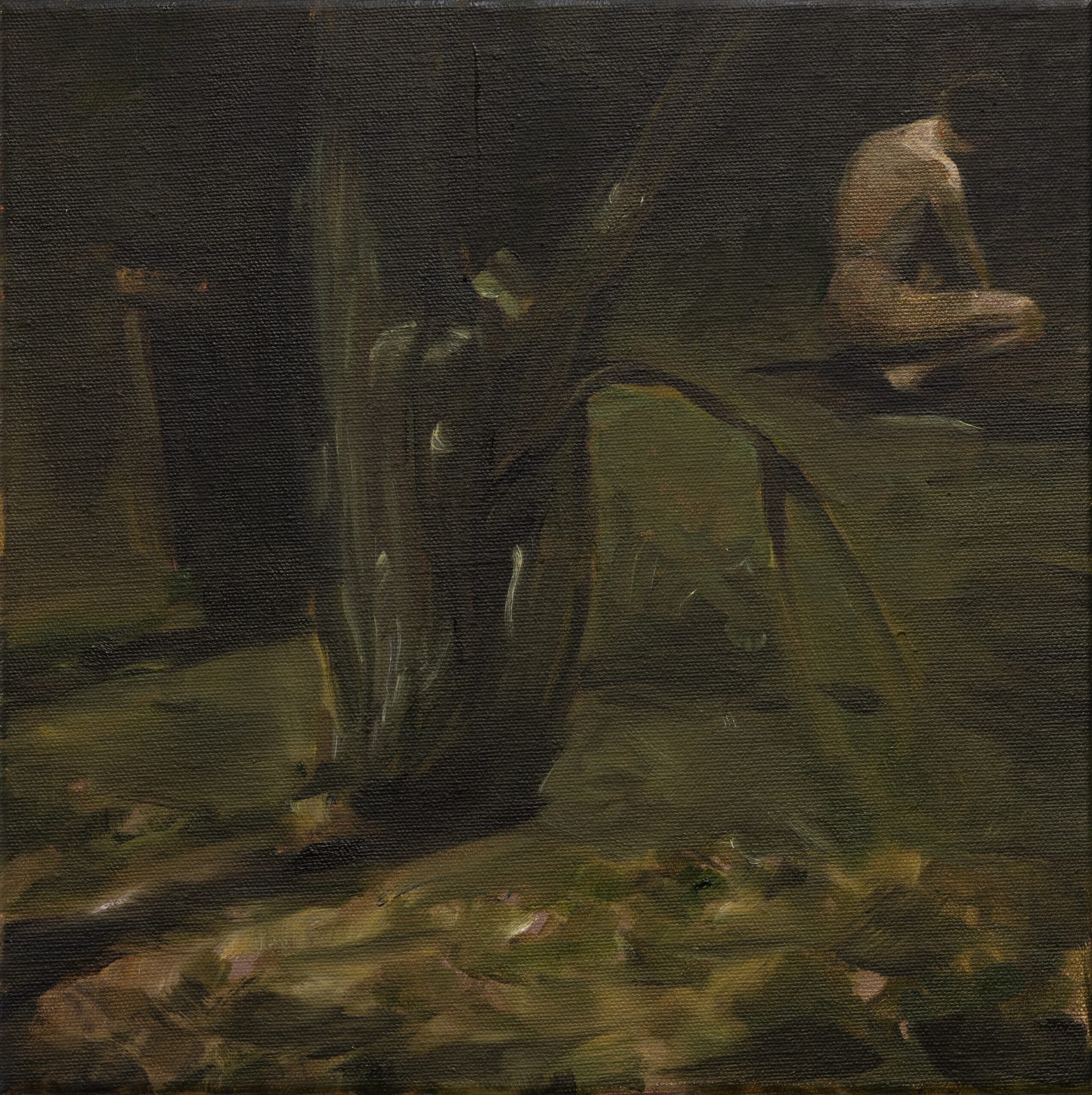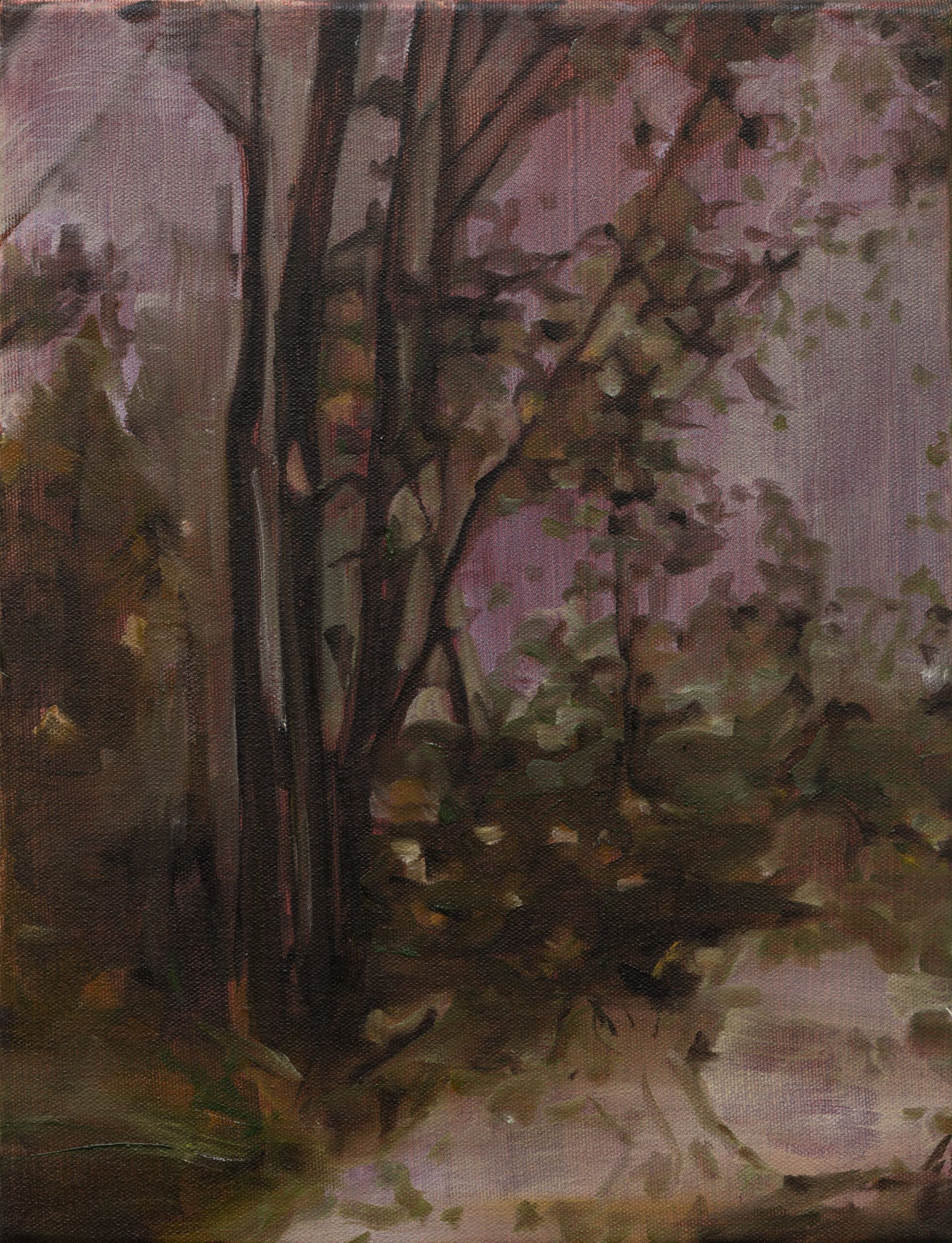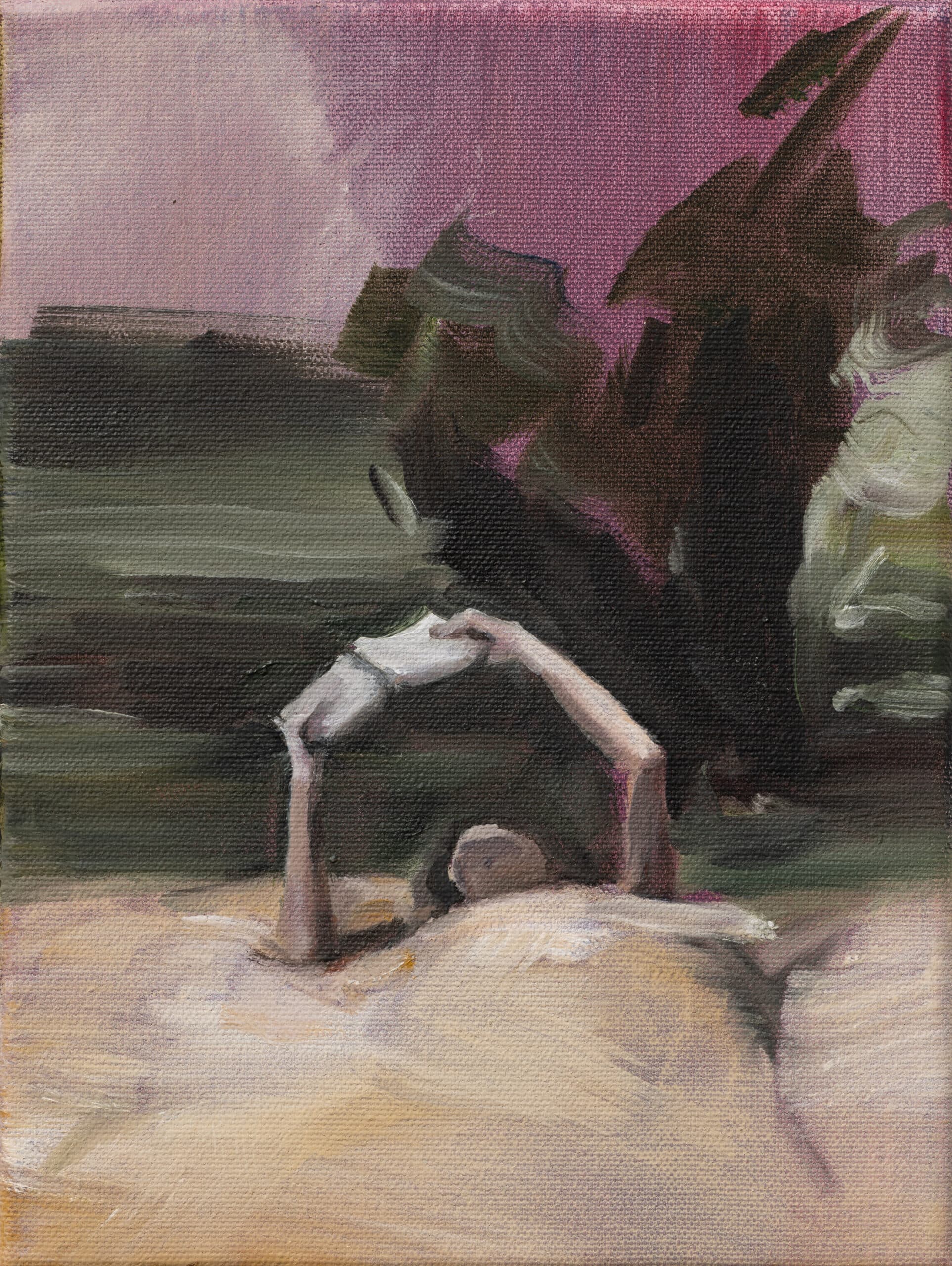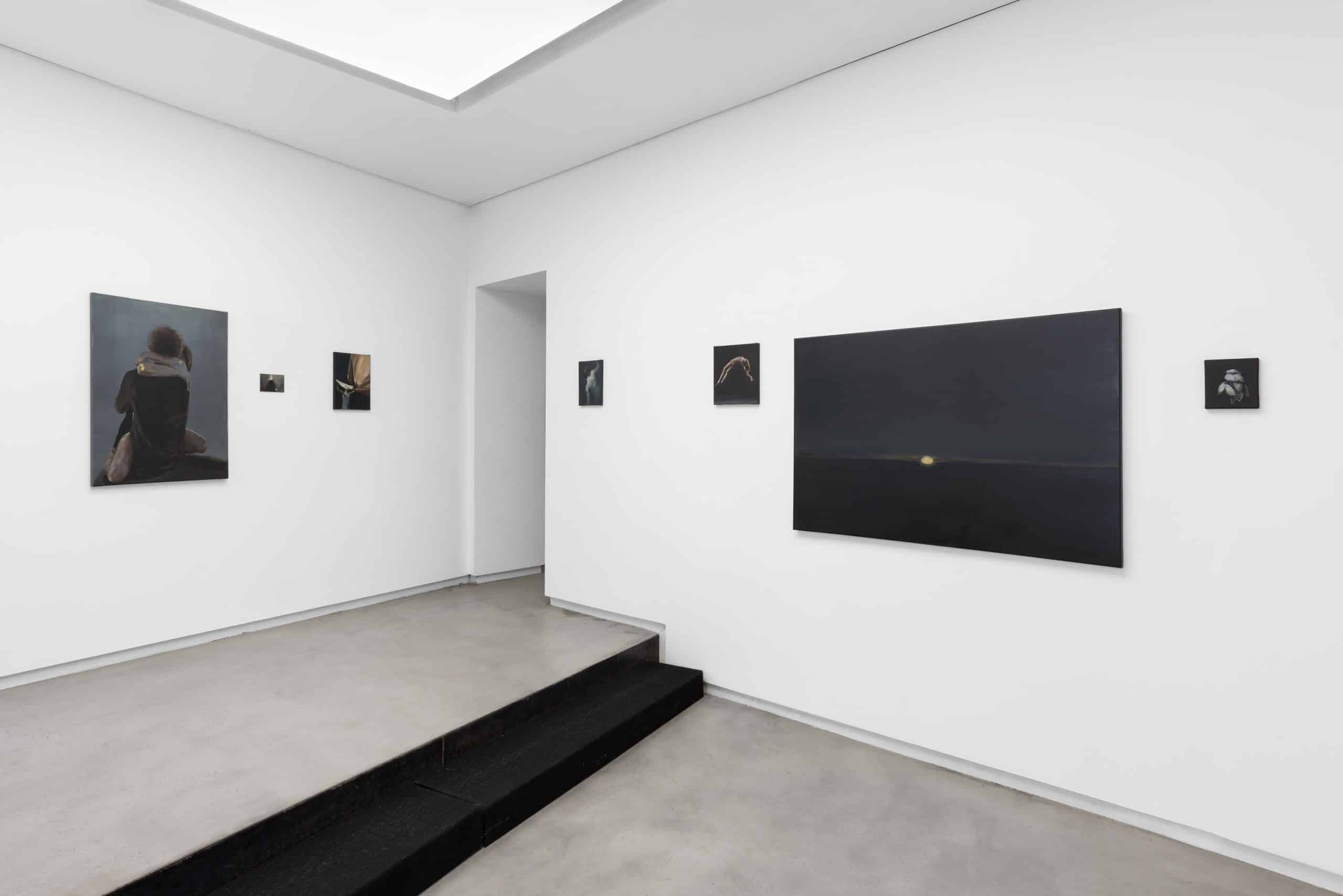
In “As fábulas de La Fontaine” we find the moral, a kind of lesson to be drawn from a given situation. Fairy tales, on the other hand, always end with a happy ending for all eternity. When stories are told, we know well that they will end according to the will of their narrator or creator—after all, “victory, victory, the story is over.” With Daniela Krtsch, there is an underlying narrative that surfaces from the depths, immersing or revealing these figures, ambiguous in their condition and gender. Do they come from somewhere, or are they departing for elsewhere? Do they hide a secret, or do they carry with them life’s full freedom?
From that black which is not a pure color, but rather the manual aggregation of various pigments, Daniela Krtsch suggests fictional paths, gives us the cue, telling us “Take me to the dawn.” These possibilities of futures—plural, multiple—are amoral in the sense that they are devoid of morality. They have their own dawn, or, figuratively, the beginning of something, yet they have no ending. They remain suspended. In truth, Daniela Krtsch is not a storyteller—we are.